
AI Training Cluster
A multi-node GPU cluster engineered for training models from scratch.
We help you choose, configure, and deliver the right system. No obligation.
Configuration at a Glance
Tailored per engagement. Full technical overview below.
Configuration Options
Core specifications for this system. Every component is configurable to your workload, so request a quote for a tailored build.
High-throughput parallel filesystem
Overview
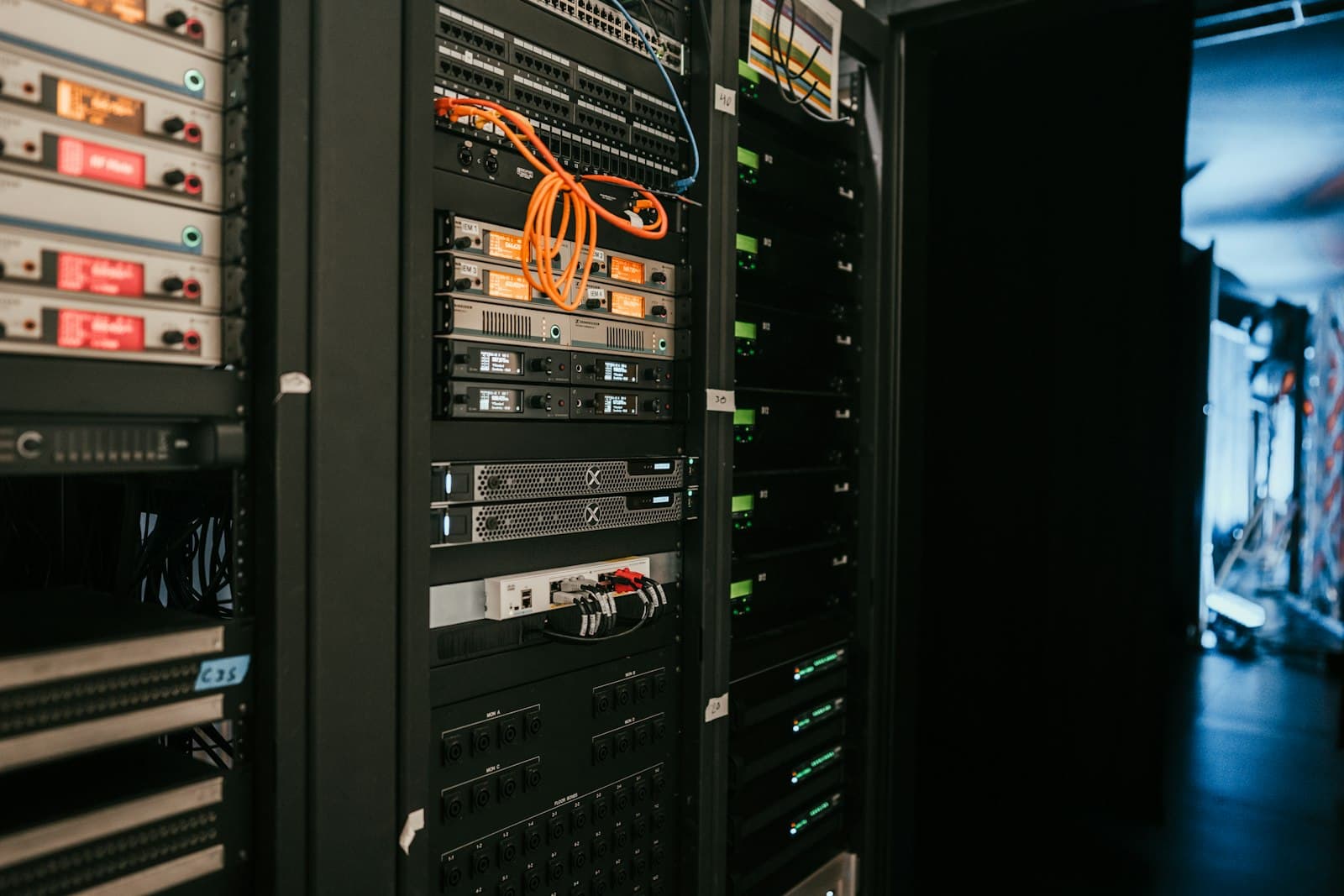
The AI Training Cluster is a complete multi-node solution (GPU servers, high-speed fabric, shared storage, and orchestration) engineered for organizations training large models at scale. Nexus Compute acts as your hardware supplier and design partner, specifying and building every component so the cluster arrives as a coherent system, not a parts list. The decision that separates a cluster from a room of servers is where the model stops fitting in one node. Below that point you replicate the model and exchange gradients, and high-speed Ethernet can be adequate; above it you split the model across nodes, every step involves synchronous traffic between them, and the fabric rather than the GPUs sets how fast the run goes. That is why we specify network, storage, and compute together, and size the fabric for the node count you expect to reach rather than the one you start with. The other half of the design is the building: a cluster is a per-rack power and cooling problem multiplied by rack count, and the facility work usually has a longer lead time than the hardware, so it is worth starting first.
Who This Solution Is For
Business Benefits
Designed as a system
Compute, fabric, storage, and orchestration are specified together so the cluster performs as an integrated whole.
Scales with your ambition
Clusters are sized to your model scale and can grow by adding nodes to the same fabric.
One accountable supplier
We coordinate the many vendors a cluster requires into a single, accountable engagement.
Lower long-run cost
For sustained training, owned infrastructure can substantially undercut equivalent cloud GPU spend.
Typical Business Use Cases
Training foundation and large custom models
Distributed multi-node training (FSDP, Megatron, DeepSpeed)
Shared research compute for multiple teams
Building an internal AI platform on owned infrastructure
Long-running synchronous training jobs spanning many nodes
Replacing sustained cloud GPU rental with owned capacity
Industry Applications
Technical Overview
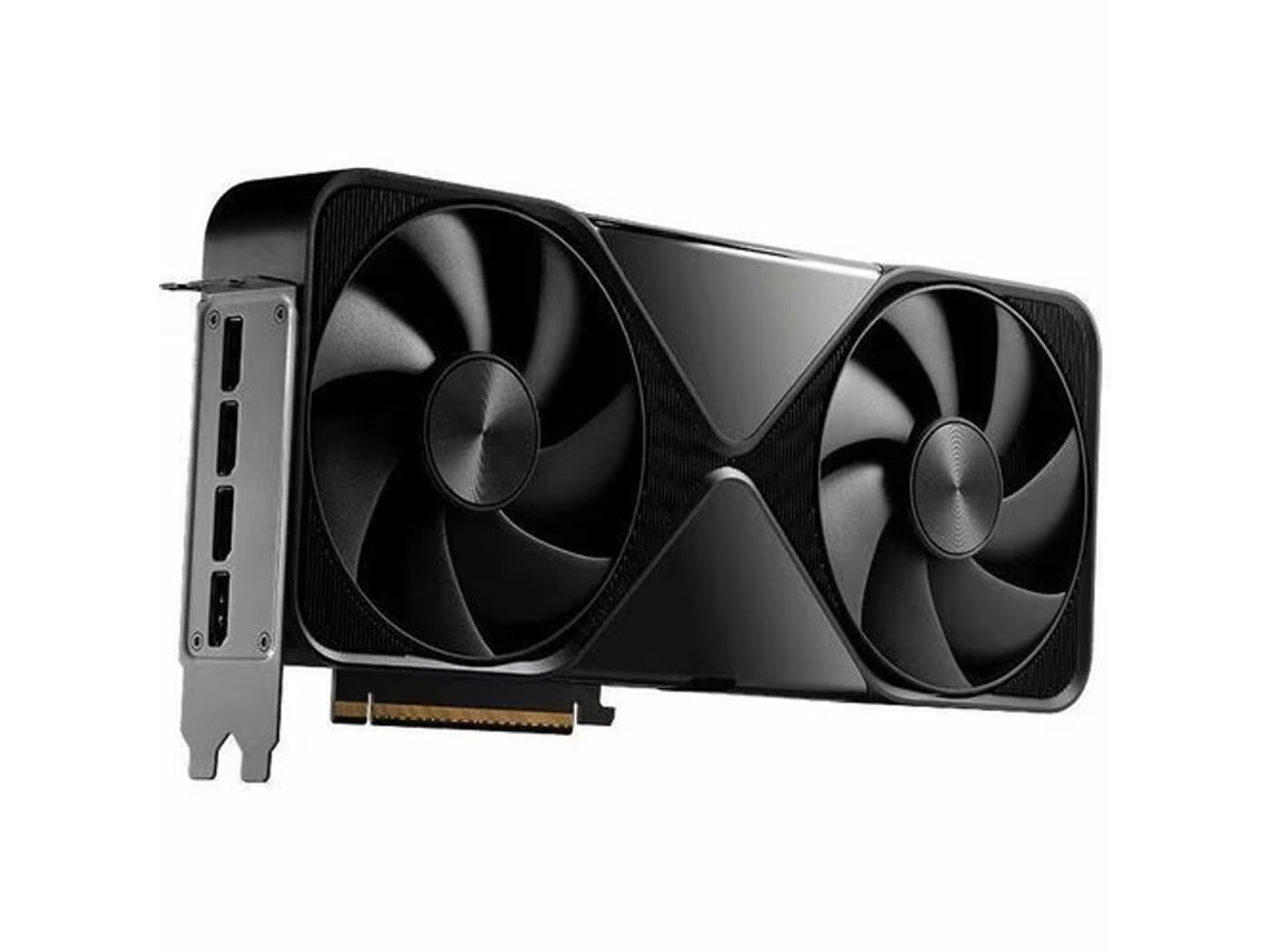
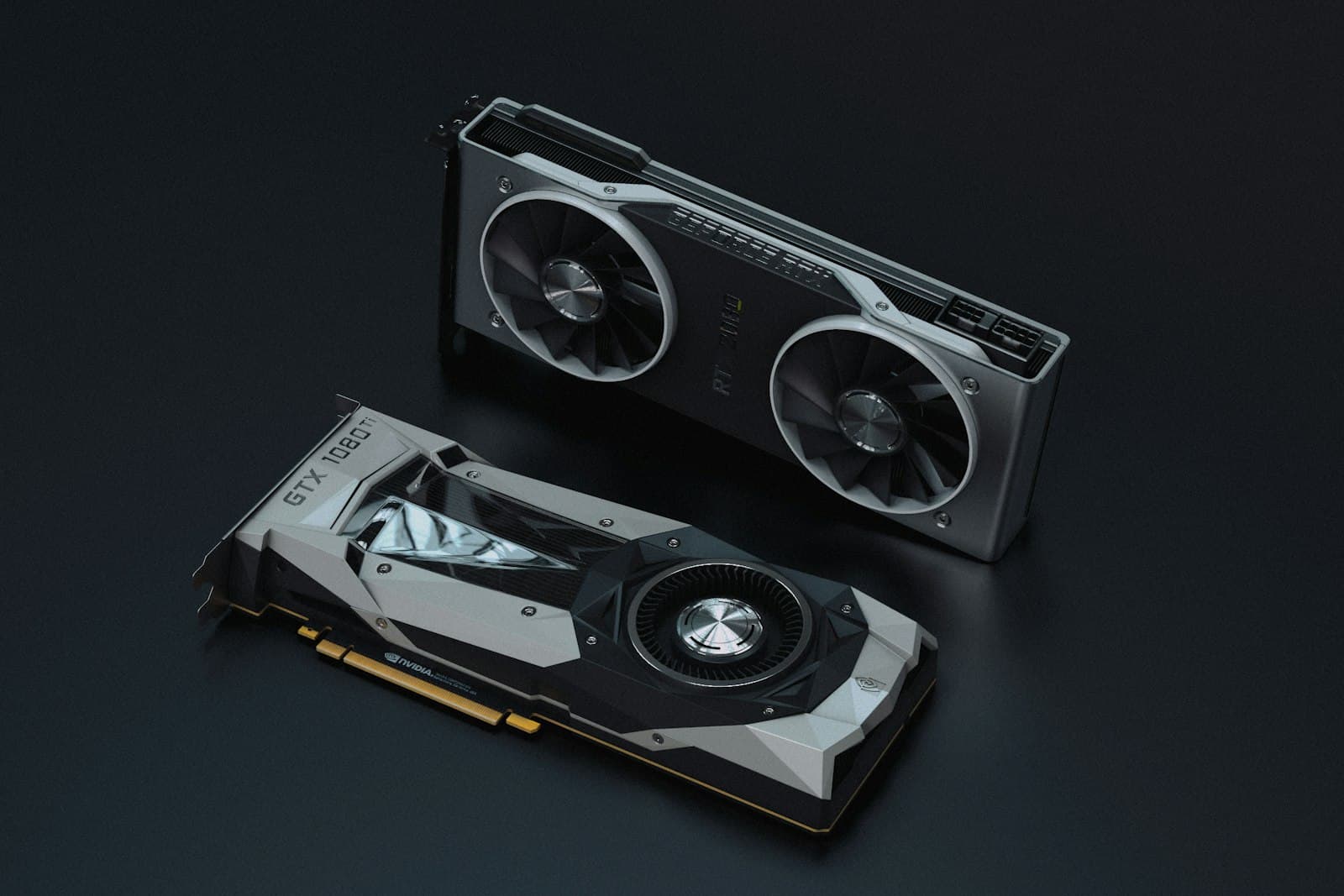
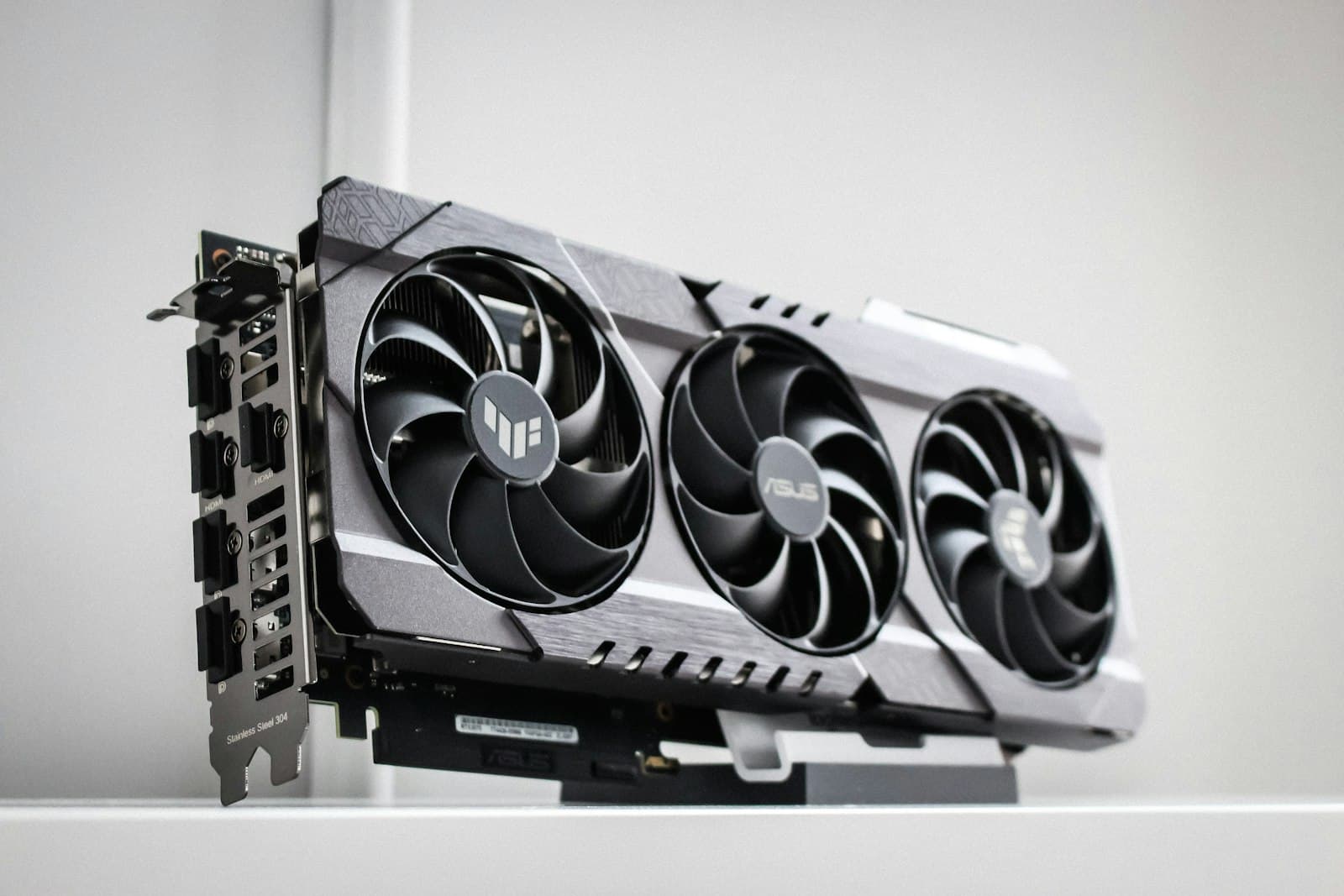
A multi-node cluster of 8-GPU servers (H100, H200, or B200) connected by a non-blocking InfiniBand fabric, backed by a high-throughput parallel storage tier and Kubernetes or Slurm orchestration. Sized and designed to your training workloads. Three things determine whether a training cluster runs at the efficiency it was specified for. The fabric: distributed training is synchronous, so one slow or oversubscribed link makes every GPU in the job wait, which is why large builds use one RDMA-capable port per GPU on a non-blocking topology: the options are under /products/networking. The storage: many nodes reading the same dataset every epoch and writing checkpoints at the same moment is a very different profile from a single server, so a parallel filesystem with an NVMe tier in front of it is the norm rather than an upgrade, as covered under /products/storage. And the host: cores and system memory per node scaled to the accelerators, so data loading and augmentation do not leave GPUs idle. Orchestration, health monitoring, and job scheduling are specified with the hardware, because a cluster without them is hard to share and harder to debug.
| Compute Nodes | Multiple 8-GPU servers (H100 / H200 / B200) |
| Cluster Fabric | Non-blocking InfiniBand NDR |
| Shared Storage | High-throughput parallel filesystem |
| Orchestration | Kubernetes or Slurm |
| Monitoring | GPU and fabric health monitoring |
| Scale | 16 to 64+ GPUs (configurable) |
| Deployment | Sourcing, staging, and commissioning support |
| InfiniBand Switch Ports (Quantum-2 NDR option) | 64 ports of 400Gb/s per switch (32 OSFP), or up to 128 at 200Gb/s |
| InfiniBand Switch Throughput (Quantum-2 NDR option) | 51.2 Tb/s aggregate, 66.5 billion packets/sec |
Specifications are indicative and configured to each engagement. Request a quote for a configuration tailored to your requirements.
Warranty, Support & Fulfillment
Every system ships from an authorized channel, configured and tested, with the documentation enterprise buyers need: genuine product, backed by the full manufacturer warranty.
Enterprise Warranty
Full manufacturer warranty with optional on-site, next-business-day support and extended coverage.
Authorized Channel
Sourced through Tier-1 distribution and OEM partners (never grey market). Asset & warranty records included.
Lead Time & Deployment
48-hour quotes, then configured, burn-in tested, and delivered on a committed schedule.
Nationwide Fulfillment
Coordinated logistics, rack-and-stack, and delivery wherever your infrastructure lives.
Frequently Asked Questions
How large a cluster do I need?
It depends on your model size and training timeline. Our specialists help size the cluster (node count, fabric, and storage) to your specific training objectives and budget.
Do you help with installation and commissioning?
Yes. As your procurement partner we coordinate sourcing, staged delivery, and advise through installation and commissioning.
Can the cluster grow over time?
Yes. We design the fabric so additional nodes can be added, allowing you to start at a viable scale and expand.
What lead time and allocation should we plan for?
Current-generation accelerators are allocated rather than stocked, and a cluster needs many at once, so the timeline is set by the longest single item rather than by an average. We give a realistic staged schedule at quote, including which parts can arrive early so racking and commissioning can begin, and we say plainly when a different accelerator generation would meaningfully change the date.
How does owning compare with renting the same capacity?
It depends almost entirely on utilization, and we will not put a payback figure in a quote that we cannot stand behind. The arithmetic worth doing is your own: the hourly rate for equivalent rented capacity multiplied by the hours you genuinely expect to run at your real duty cycle, set against purchase, power at your tariff, facility cost, support, and the staff time to operate it. Continuous training tends to favor ownership; intermittent bursts tend not to.
What if our facility cannot take the whole cluster?
Then the cluster is designed around what the facility can take, or it goes somewhere that can. Spreading a given GPU count across more racks at lower density, phasing the build alongside electrical work, or colocating are all normal outcomes. What does not work is ordering to a target GPU count and resolving the power question afterwards, so we ask for per-rack supply and cooling capacity early.
Hardware Assistance
Configure the AI Training Cluster with Nexus Compute
Tell us your requirements and a hardware specialist will help you specify, configure, and quote the right system, typically within two business days. No obligation.