
NVIDIA DGX & HGX
DGX vs HGX: which 8-GPU system should you buy?
The GPUs are the same and so is the fabric between them. DGX is NVIDIA’s own complete system built on the HGX baseboard. An HGX system is that same baseboard, with the same GPUs and the same NVLink and NVSwitch, integrated into a chassis by Dell, Supermicro, HPE or Lenovo.
So the decision is almost never about performance. It is about the chassis, the management tooling, who holds the support contract, and how much configuration freedom you want. We supply both, which is the only reason our recommendation here is worth anything. We are not steering you toward the side we happen to stock.
DGX and HGX, side by side
| NVIDIA DGX | HGX systems | |
|---|---|---|
| GPUs and NVLink fabric | NVIDIA HGX baseboard | The same NVIDIA HGX baseboard |
| Chassis and integration | NVIDIA | Dell, Supermicro, HPE or Lenovo |
| Systems management | NVIDIA Base Command | iDRAC, iLO, XCC or IPMI, whatever you already run |
| Support relationship | NVIDIA enterprise support | Your existing server vendor's support |
| Configuration flexibility | Fixed configurations | CPU vendor, storage layout, cooling and DPUs all selectable |
| Cooling options | As specified by NVIDIA | Air-cooled or direct liquid-cooled variants |
| Supplied by | Nexus Compute, via authorized distribution | Nexus Compute |
Systems we configure and quote
28 NVLink-baseboard configurations across H100, H200, B200 and A100, both DGX and vendor HGX alike, quoted as complete systems or as multi-node clusters with the fabric specified.
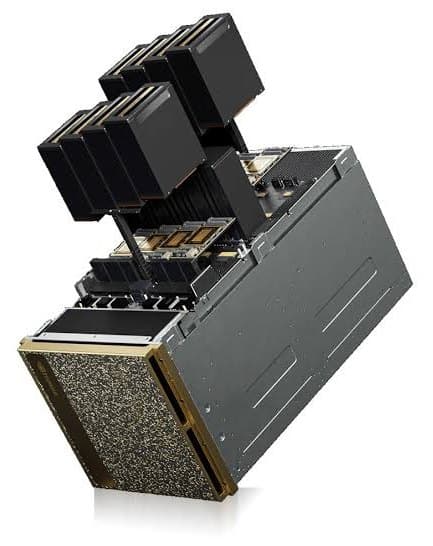
NVIDIA DGX B200
Eight Blackwell GPUs and 1,440GB of HBM3e in NVIDIA’s unified training and inference platform.
- One accountable vendor
- Blackwell generation
- A designed scaling path
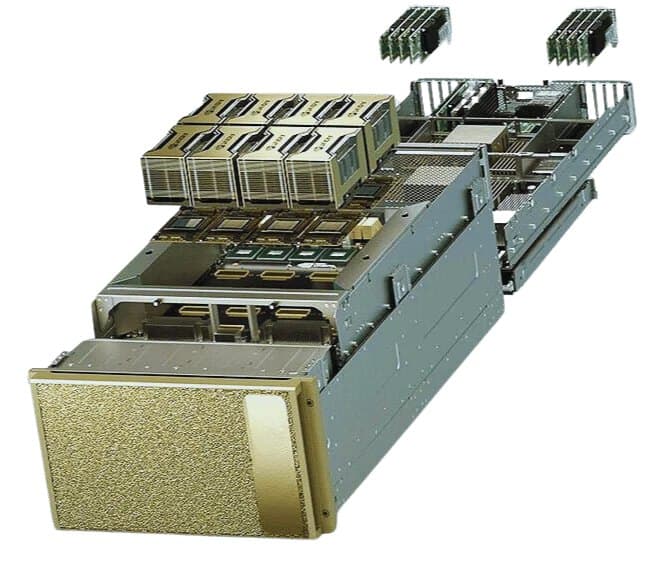
NVIDIA DGX H200
Eight H200 GPUs with 1,128GB of HBM3e, the memory-heavy Hopper DGX.
- More memory per GPU
- Same operational model
- Fewer nodes for inference
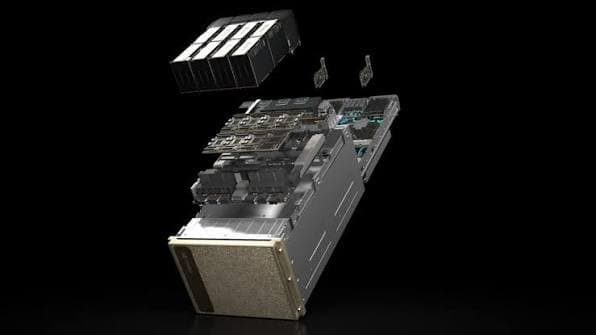
NVIDIA DGX H100
Eight H100 SXM5 GPUs and 640GB HBM3, the Hopper-generation DGX workhorse.
- Matches an existing estate
- Proven platform
- Cluster-ready networking
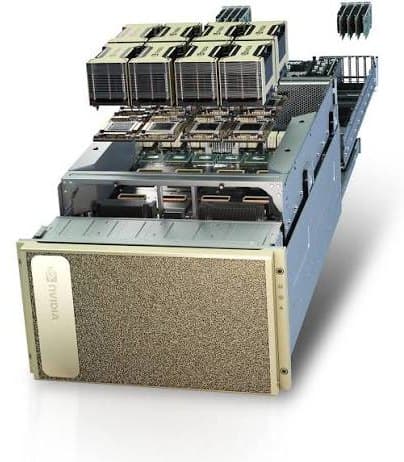
NVIDIA DGX A100 640GB
Eight A100 80GB GPUs with 640GB HBM2e and MIG partitioning across the node.
- MIG partitioning
- Matches an installed base
- Multi-tenant by design
NVIDIA DGX A100 320GB
Eight A100 40GB GPUs, the lower-memory DGX A100 configuration.
- Lower entry point
- MIG partitioning retained
- Matches an installed base
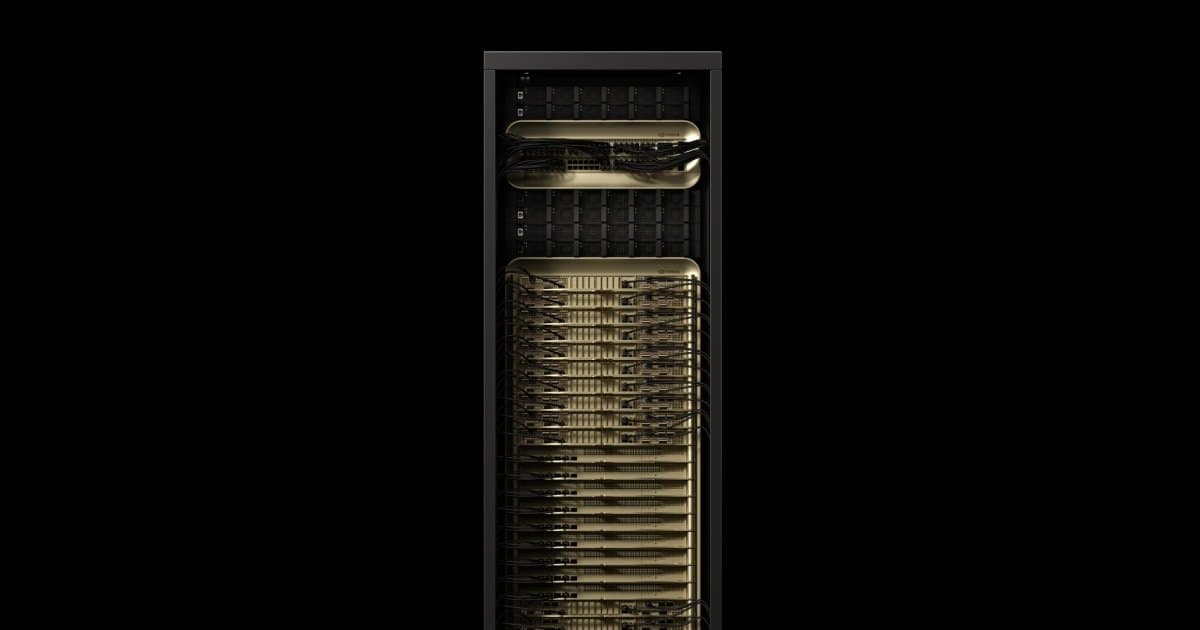
NVIDIA DGX GB200 NVL72
Seventy-two Blackwell GPUs and thirty-six Grace CPUs as one liquid-cooled NVLink domain.
- One NVLink domain
- Rack-scale density
- Delivered as a unit
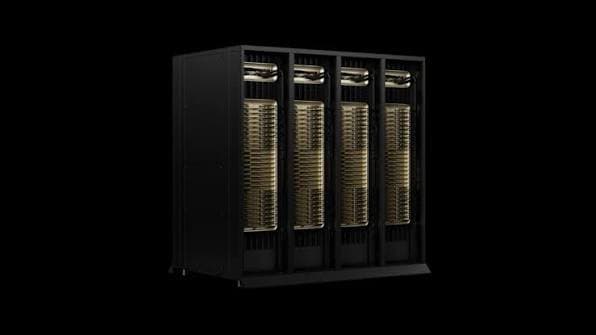
NVIDIA DGX SuperPOD
A reference architecture for multi-node DGX clusters, with fabric, storage and management designed together.
- Designed as one system
- A validated architecture
- Scales predictably
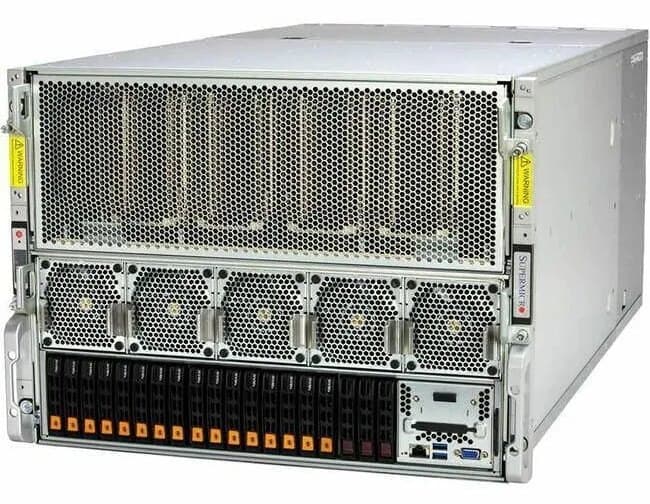
Supermicro SYS-821GE-TNHR 8x H100 SXM5 (8U HGX)
Flagship 8-GPU SXM5 node for large-model training and dense inference.
- Maximum GPU bandwidth
- Tested before it ships
- Authorized-channel assurance
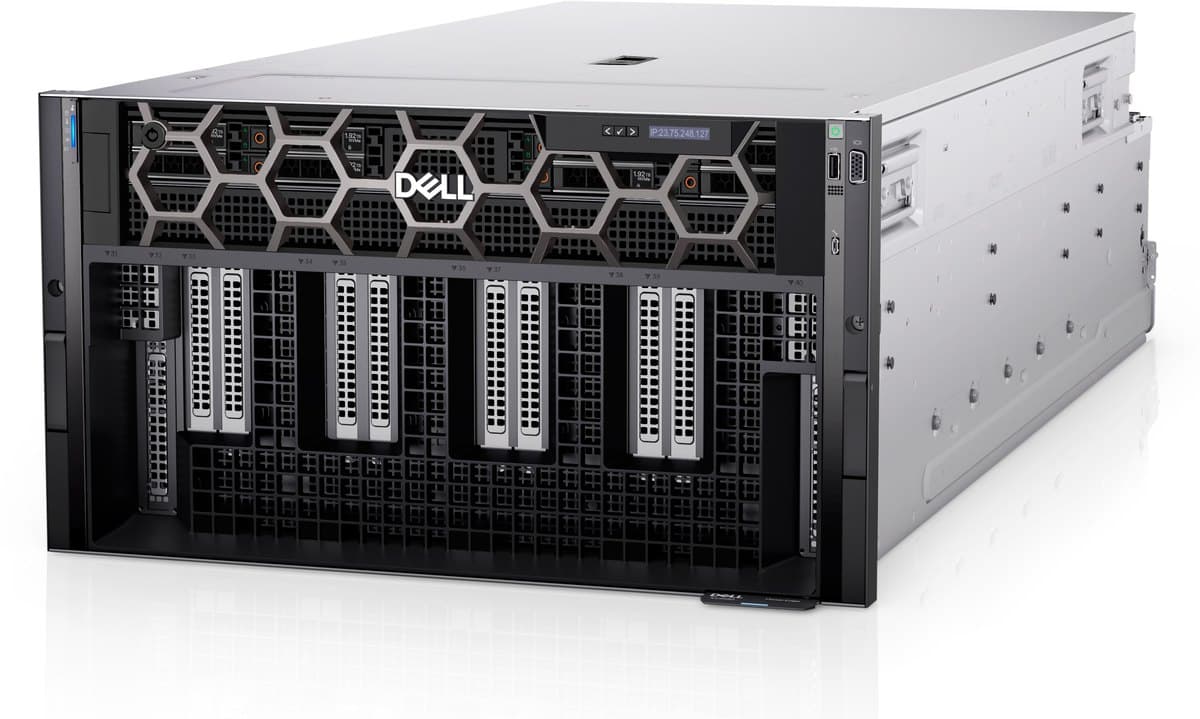
Dell PowerEdge XE9680 8x H100 SXM5
Dell-engineered 8-GPU HGX platform with enterprise serviceability built in.
- Fits Dell-standard ops
- Enterprise serviceability
- Authorized sourcing
Questions buyers ask
Do you supply both DGX and HGX systems?
Yes. We source NVIDIA DGX through authorized distribution, and we supply HGX-based systems from Dell, Supermicro, HPE and Lenovo. Both are quoted as complete configured clusters with the fabric and storage specified alongside. Being able to quote either is what lets us give you a straight recommendation instead of a pitch.
What is the actual difference between DGX and HGX?
HGX is the NVIDIA baseboard: the GPUs, the NVLink and NVSwitch fabric between them, as a module that server vendors build systems around. DGX is NVIDIA's own complete system built on that baseboard, with its own chassis, software stack and support contract. The GPUs and the interconnect between them are the same silicon. What differs is the chassis, the management tooling, the support relationship and the price.
When is DGX the right choice over an HGX system?
When you want one vendor accountable for the whole stack including the software, when the DGX software environment matters to your team, or when you are buying a SuperPOD as a designed unit. Those are real reasons and we will tell you when they apply to you.
When is an HGX system the better buy?
When you already run Dell, HPE or Lenovo operations and want accelerated compute inside that same management model rather than alongside it. When you need configuration choices DGX does not offer: a different CPU vendor, a specific storage layout, direct liquid cooling, BlueField DPUs. And frequently on cost, for the same GPUs and the same NVLink fabric.
Can you quote a multi-node HGX cluster with fabric?
Yes, and that is how these should be bought. We specify the nodes, the InfiniBand fabric, the rail-optimised layout, cabling, management network and rack power together, because a training cluster ordered without its fabric is a set of servers rather than a cluster.