
Dell PowerEdge
Dell PowerEdge Rack & Tower Servers
PowerEdge is the default answer to "what rack server do we buy" across a large share of US enterprises, and the reason is rarely the silicon. It is iDRAC, OpenManage, a support relationship the operations team already runs, and a spares position nobody has to justify to an auditor. The general-purpose line covers that ground end to end: R660 and R760 on Intel Xeon Scalable, R6615, R6625, R7615 and R7625 on AMD EPYC, R670 and R770 on Xeon 6, the four-socket R860 and R960 for consolidation and in-memory databases, and the T550 and T560 towers for sites with no rack at all.
The decisions that actually shape a PowerEdge order are socket count, chassis height and drive backplane, not the badge. A 1U dual-socket node and a 2U node with the same processors behave very differently once you add NVMe bays, full-height cards and the airflow to cool them, and a four-socket box is bought for memory footprint rather than cores. We specify against the workload and say plainly when a cheaper model does the job.
This page covers the general-purpose rack and tower line. If you are buying an eight-way accelerator platform, the XE9680 and the rest of the XE family are quoted on their own page rather than buried in a list of virtualization hosts.
23 configurations below · quotes returned within 48 business hours · purchase orders accepted
Dell PowerEdge Rack & Tower Servers we configure and supply
Every system below is quoted to your workload: accelerator count, CPU, memory, storage and fabric are specified together rather than sold as a fixed SKU.
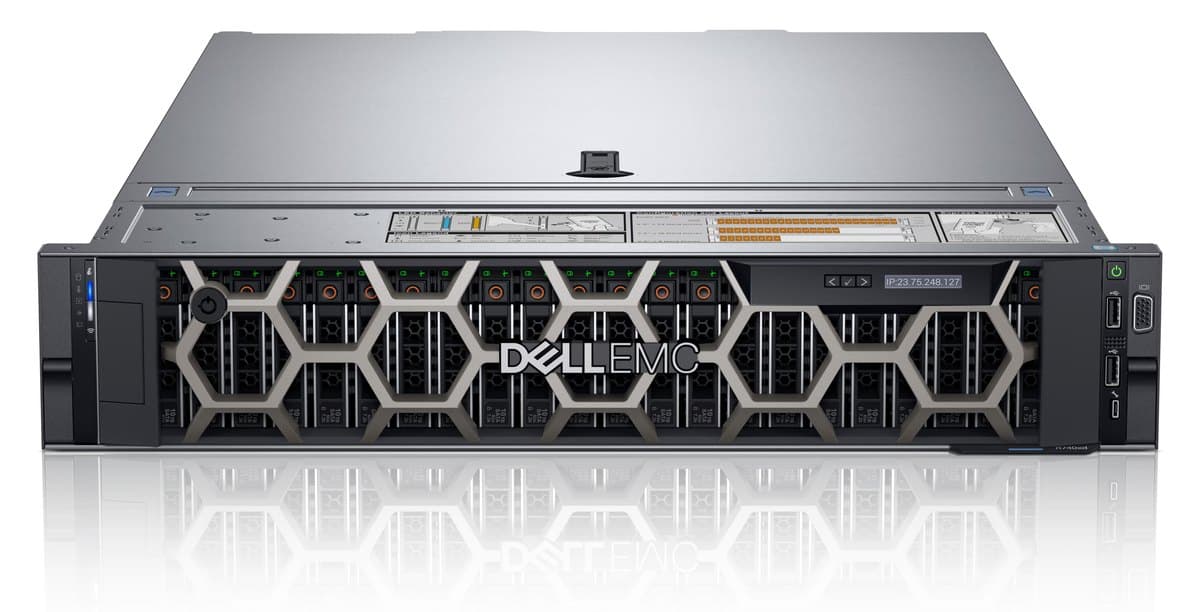
Dell PowerEdge R740
A proven 2U dual-socket workhorse for virtualization and mixed enterprise workloads.
- Proven and dependable
- Excellent virtualization host
- Standardize your estate
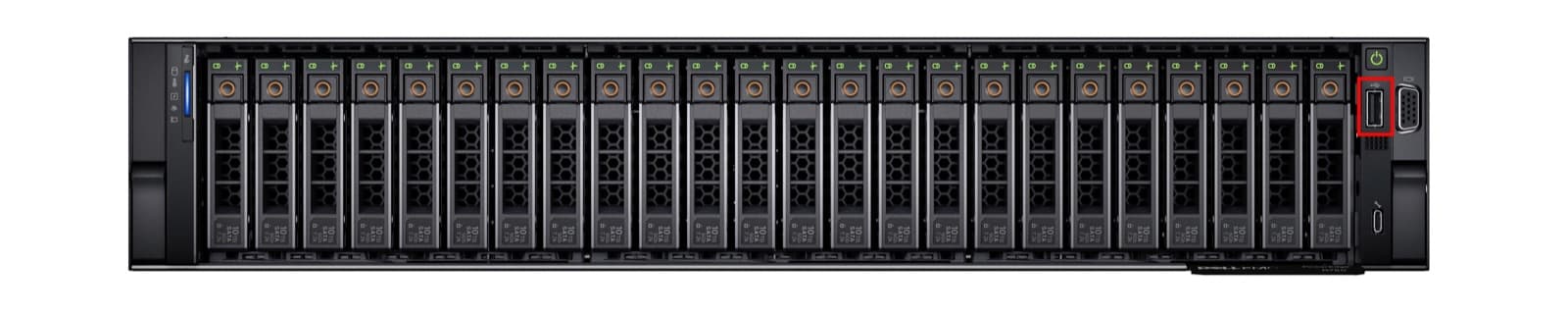
Dell PowerEdge R750
A high-performance 2U platform for demanding virtualization and database workloads.
- More consolidation headroom
- Strong database performance
- Future-ready platform
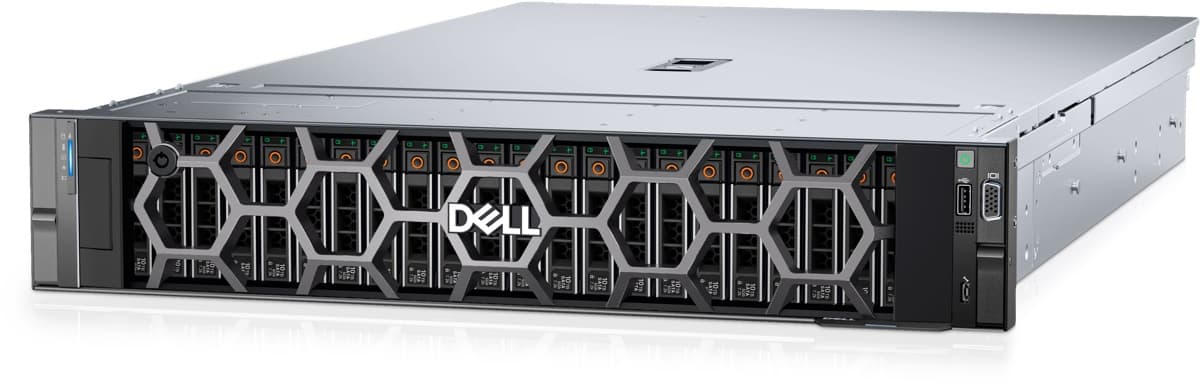
Dell PowerEdge R760
The current-generation 2U flagship for enterprise virtualization and databases.
- Latest-generation performance
- Maximum consolidation
- Future-ready I/O
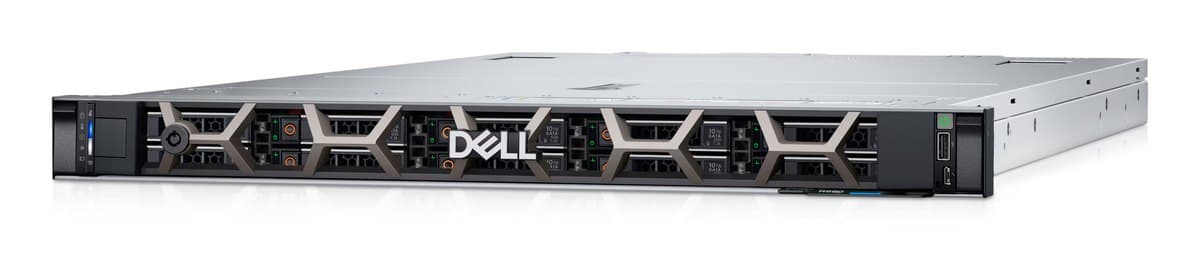
Dell PowerEdge R660
A dense 1U current-generation server for high server-count deployments.
- Maximum rack density
- Lower space and power overhead
- Current-generation performance
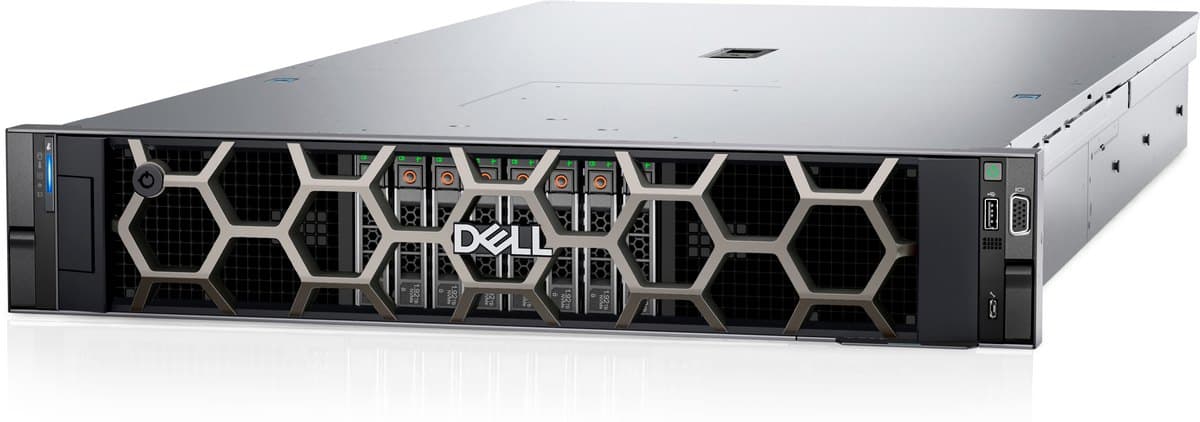
Dell PowerEdge R760xa
A GPU-optimized PowerEdge platform for AI and accelerated computing.
- AI on your standard platform
- Multiple data-center GPUs
- Unified support model
Dell PowerEdge R660 1U Dense Virtualization Node (Dual Xeon 5th Gen)
Maximum VM density per rack unit on the current 1U Dell platform.
- Double the density
- Lower facility cost
- Tested before delivery

Dell PowerEdge R6625 1U HPC Node (Dual EPYC 9004, Liquid-Cooled)
Up to 192 EPYC cores in 1U for dense parallel HPC.
- Extreme core density
- Sustained performance
- Cluster-ready procurement
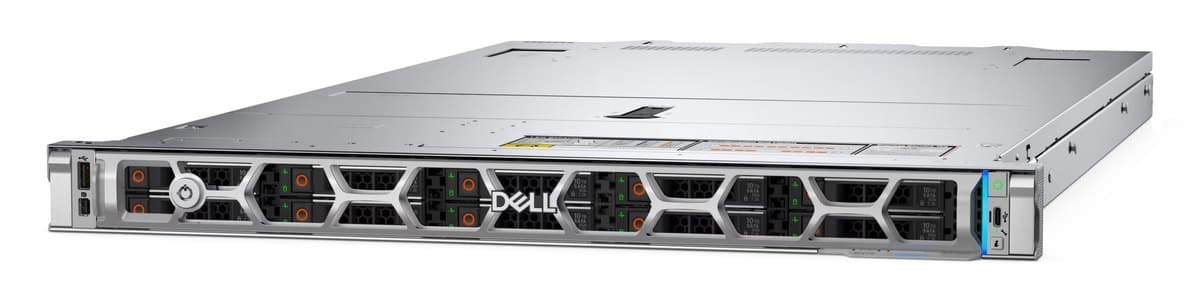
Dell PowerEdge R670 1U AI Inference Server (Xeon 6, GPU-Ready)
PCIe Gen5 1U server tuned for low-latency AI inference.
- Inference at the edge
- Gen5 I/O headroom
- Unified Dell support

Dell PowerEdge R6615 1U Single-Socket Node (EPYC 9004, Cloud-Native)
Single-socket EPYC efficiency for scale-out cloud-native workloads.
- Cost-efficient scale-out
- Strong performance-per-watt
- Fleet consistency
Dell PowerEdge R660 1U In-Memory Database Node (Xeon 5th Gen, Max Memory)
Memory-optimized 1U node certified for SAP HANA and in-memory databases.
- Certified for SAP HANA
- Large in-memory footprint
- Dense database consolidation
Dell PowerEdge R6625 1U All-NVMe Storage Node (Dual EPYC 9004)
Dense all-flash 1U building block for software-defined storage.
- High IOPS density
- Ample PCIe bandwidth
- Uniform storage building block
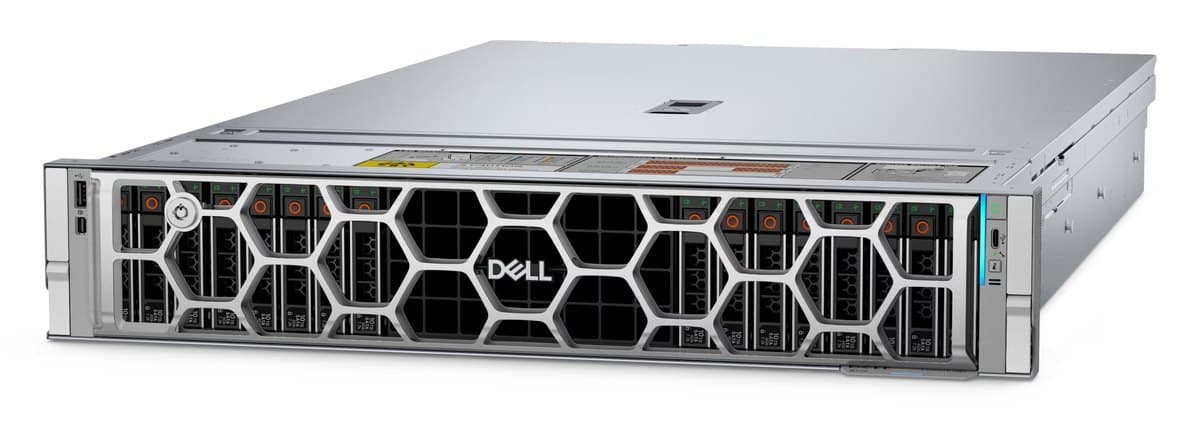
Dell PowerEdge R770: 2x NVIDIA H100 NVL, Dual Xeon 6
Compact 2U accelerated platform for production LLM inference and fine-tuning
- Datacenter-dense AI
- Validated under load
- Enterprise-grade support
Dell PowerEdge R770: Direct Liquid-Cooled Dual Xeon 6 HPC Node
Liquid-cooled 2U compute node for dense HPC and simulation clusters
- Sustained turbo clocks
- Rack and power density
- Cluster-ready core count
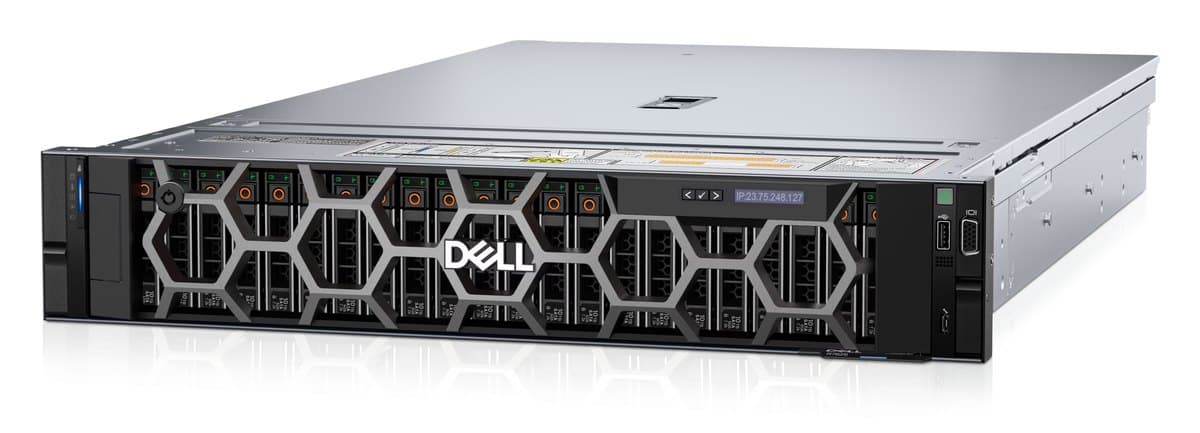
Dell PowerEdge R7625: Dual AMD EPYC 9005, Virtualization Node
High-core dual-EPYC 2U host for VM and VDI consolidation
- Maximum VM density
- Memory bandwidth headroom
- Lower TCO per workload
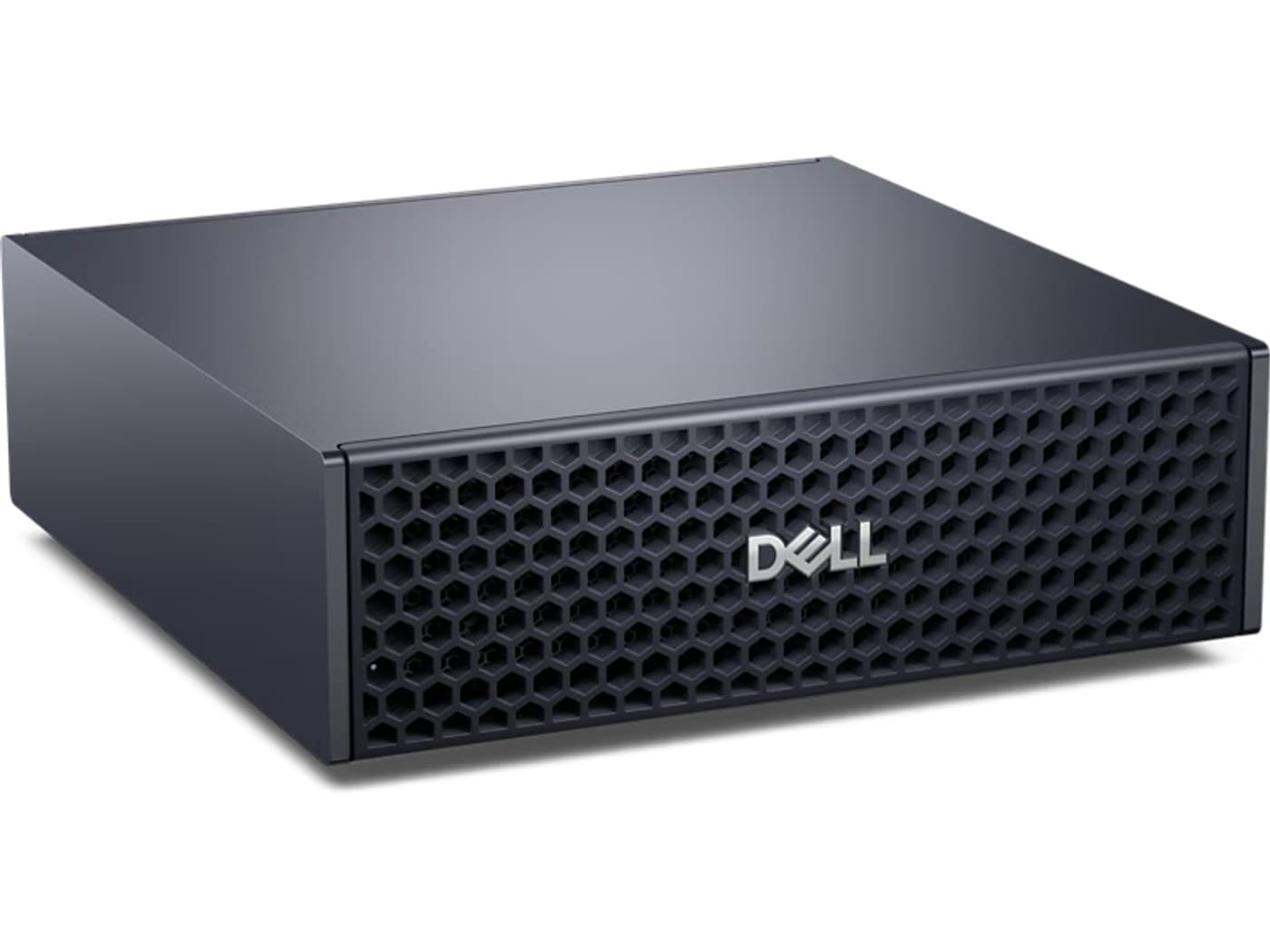
Dell PowerEdge R7615: Single AMD EPYC 9005, All-NVMe Database Node
Single-socket all-NVMe 2U server tuned for low-latency databases
- Single-socket simplicity
- All-NVMe performance
- Efficient licensing
Dell PowerEdge R750xs: Dual Xeon Scalable, Mixed-Workload Server
Cost-optimized dual-socket 2U for mainstream scale-out workloads
- Optimized cost per node
- Flexible storage mix
- Predictable scale-out
Dell PowerEdge R770: 6x NVIDIA L4, Edge Inference & Video
Six single-width L4 GPUs for efficient inference and video processing
- Inference per watt
- High GPU parallelism
- Standard 2U deployment
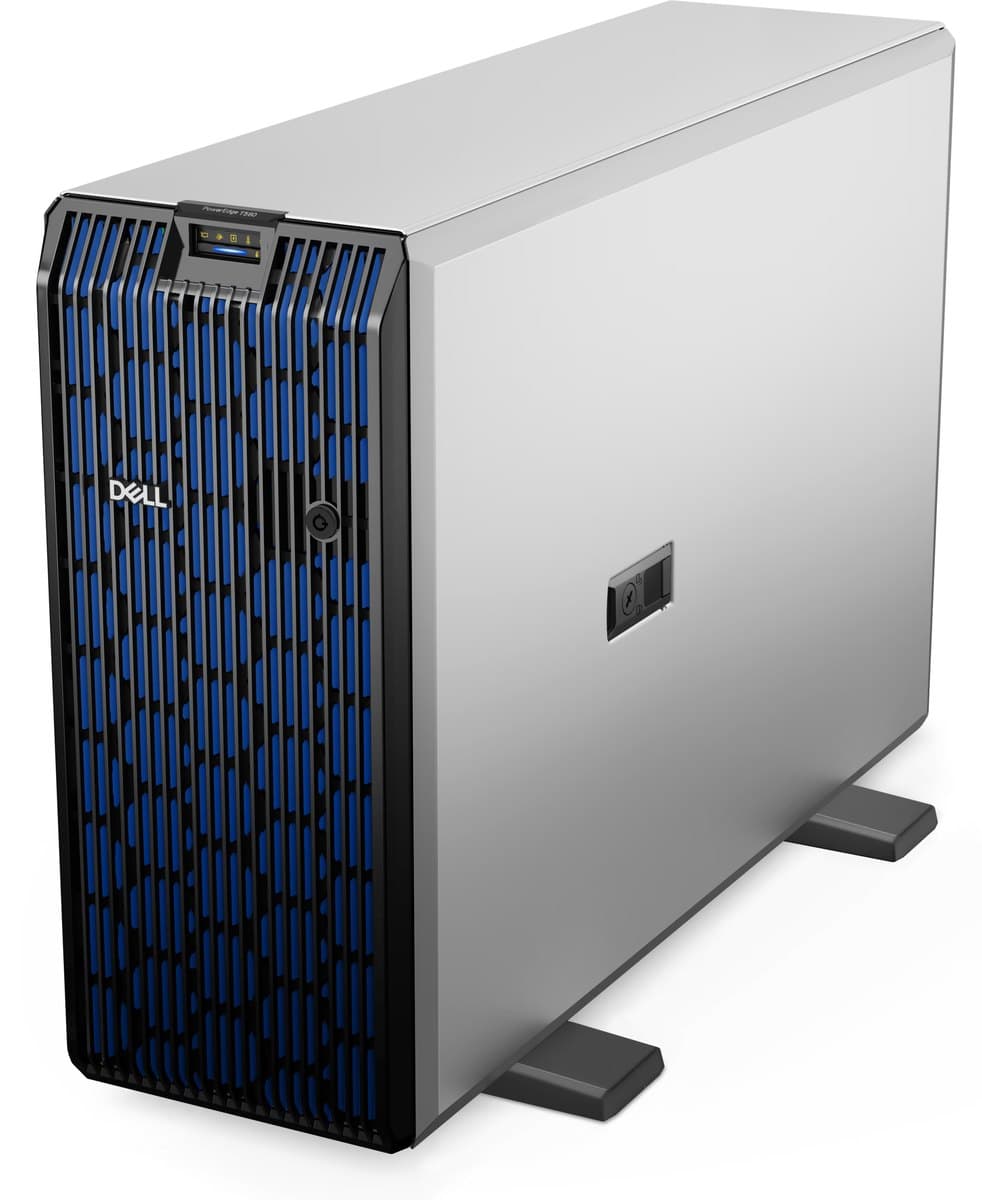
Dell PowerEdge T560 Dual NVIDIA L40S AI Inference Tower
Office-friendly GPU tower for on-prem AI inference and fine-tuning
- Data-center compute, deskside
- Right-sized for inference
- Validated and supported
Dell PowerEdge T560 24-Bay NVMe Virtualization Tower
Dense all-flash tower for branch virtualization and consolidation
- Consolidate the rack
- All-flash performance
- Edge-ready operations
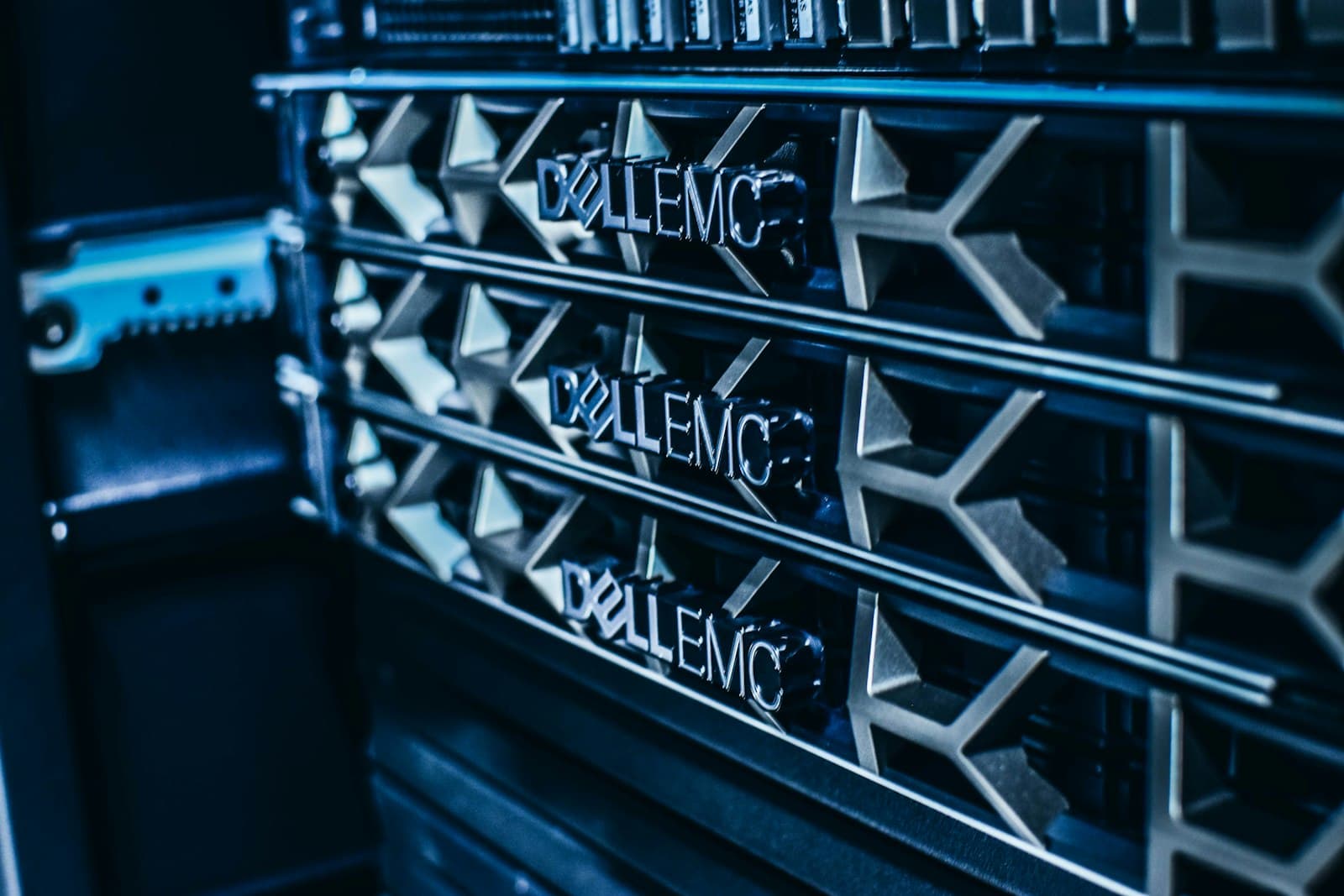
Dell PowerEdge T550 Departmental Tower Server
Reliable dual-socket tower for core departmental workloads
- Proven workhorse platform
- Flexible storage tiers
- Quiet and serviceable
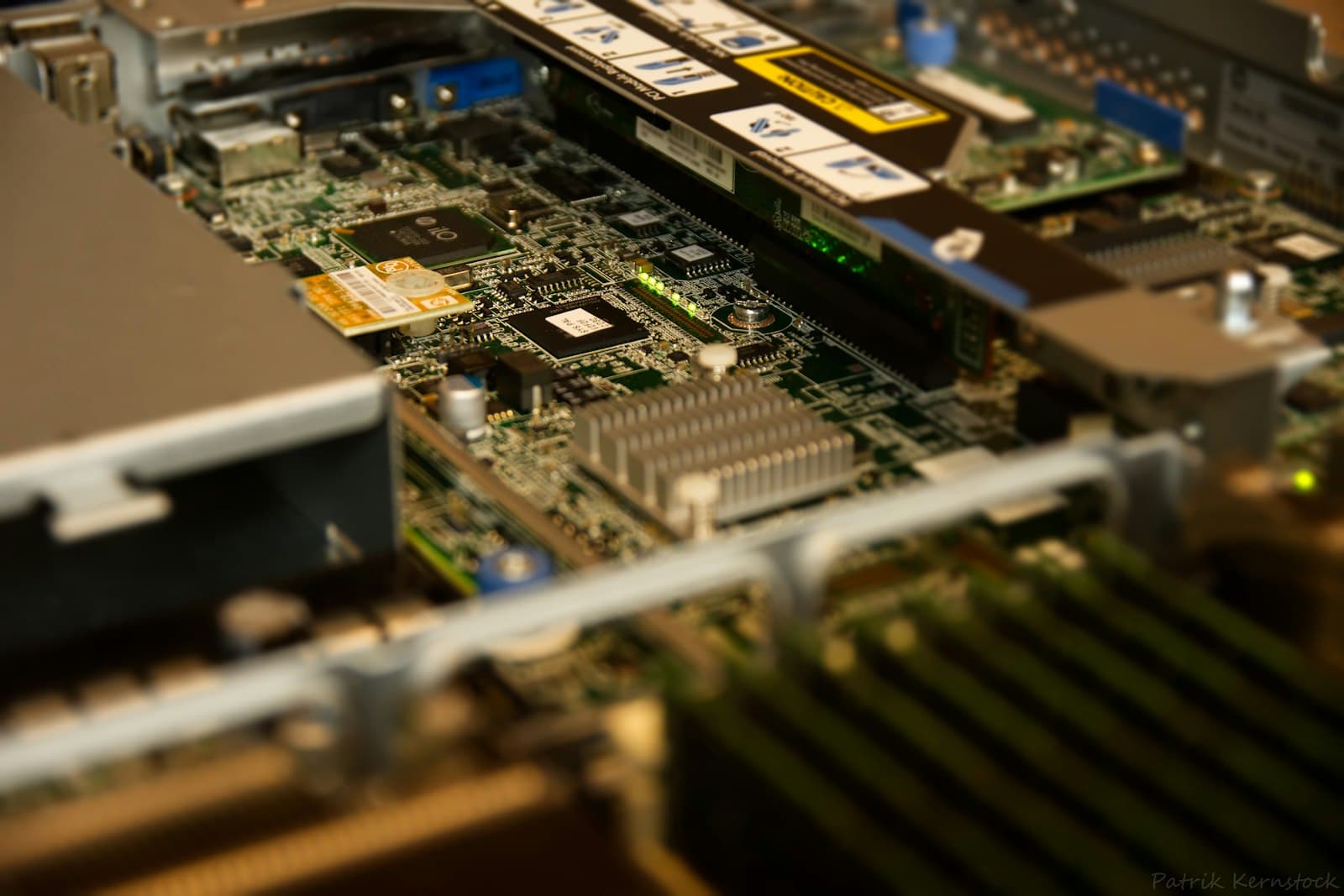
Dell PowerEdge R860 4-Socket 2U Consolidation Server
Maximum core density in a space-saving 2U four-socket chassis
- Four sockets, 2U
- License efficiency
- Enterprise serviceability
Dell PowerEdge R960 16TB SAP HANA In-Memory Server
Scale-up four-socket foundation for SAP HANA in-memory workloads
- Massive in-memory headroom
- Scale-up simplicity
- Certified and supported
Dell PowerEdge R960 24-Bay NVMe OLTP Database Server
All-NVMe four-socket engine for Oracle and SQL transactions
- Transactional throughput
- Predictable low latency
- Resilient by design
What we need to quote accurately
A configuration quote takes minutes when these are known and days of back-and-forth when they are not. You do not need all of them to start. Send what you have.
- The workload: model sizes, training or inference, and expected concurrency
- Node count, and whether this is a single system or a scaling cluster
- Rack power and cooling available per rack, and inlet temperature
- Existing estate: the vendor and management tooling you already run
- Network fabric: InfiniBand, Ethernet, and the speed you are standardised on
- Timeline, and whether the budget is approved or being built
How we quote
- 1
Send the requirement
An email, a bill of materials, or a rough description of the workload. All three work.
- 2
We validate the configuration
Accelerator, chassis, fabric, power and cooling checked against each other before anything is priced.
- 3
Itemised quote within 48 hours
Line-by-line pricing, current availability and lead time, with warranty terms stated.
Dell PowerEdge server supplier: buyer questions
Which PowerEdge model should we be buying?
Start with socket count and memory footprint, then pick the chassis. Single-socket R6615 or R7615 for cloud-native and per-core-licensed workloads where a second socket is wasted money. Dual-socket R660 or R6625 at 1U for dense virtualization; R760, R770 or R7625 at 2U when you need more drive bays and full-height expansion. Four-socket R860 or R960 when the constraint is addressable memory rather than cores: consolidation and in-memory databases. Tell us the workload, the hypervisor and the licensing model and we will say which applies, including when the smaller box is the right one.
Do you supply PowerEdge servers configured, or as a base chassis?
Configured. Memory population, drive layout and backplane, RAID or HBA controller, network adapters and optics, iDRAC licence tier, rails and bezel, and the ProSupport level all go on the same quote as the chassis, because a server that arrives without its rails or with the wrong controller is a server that does not go into the rack that week. We confirm the exact configuration back to you before anything is ordered.
Do you handle GPU-accelerated PowerEdge as well?
Yes, but they are specified differently and we treat them separately. The XE9680, XE9640, XE8640 and XE7745 are eight-way and four-way accelerator platforms with their own power, cooling and fabric requirements. Those are covered on our Dell PowerEdge XE9680 page. R-series servers with a small number of PCIe cards, such as an R770 with L4s or an R760xa, sit on this page because they are ordinary rack servers that happen to carry accelerators.
What lead time and warranty should we plan for?
Both are confirmed with the quote against the specific configuration, not promised from a web page. Lead times on enterprise rack servers move with component availability and with how unusual the build is, and warranty depends on the support tier and term you choose. We give you a committed date and the warranty terms in writing before you raise the purchase order.
Compare with other platforms
HPE ProLiant
HPE ProLiant Rack & Tower Servers
View systemsLenovo ThinkSystem
Lenovo ThinkSystem Rack & Tower Servers
View systemsDell PowerEdge
Dell PowerEdge XE9680 GPU Servers
View systemsSupermicro
Supermicro Twin, Blade & Storage Servers
View systemsBrowse the full range of GPU servers and AI clusters, or the component catalogue for drives, memory, optics and spares.