
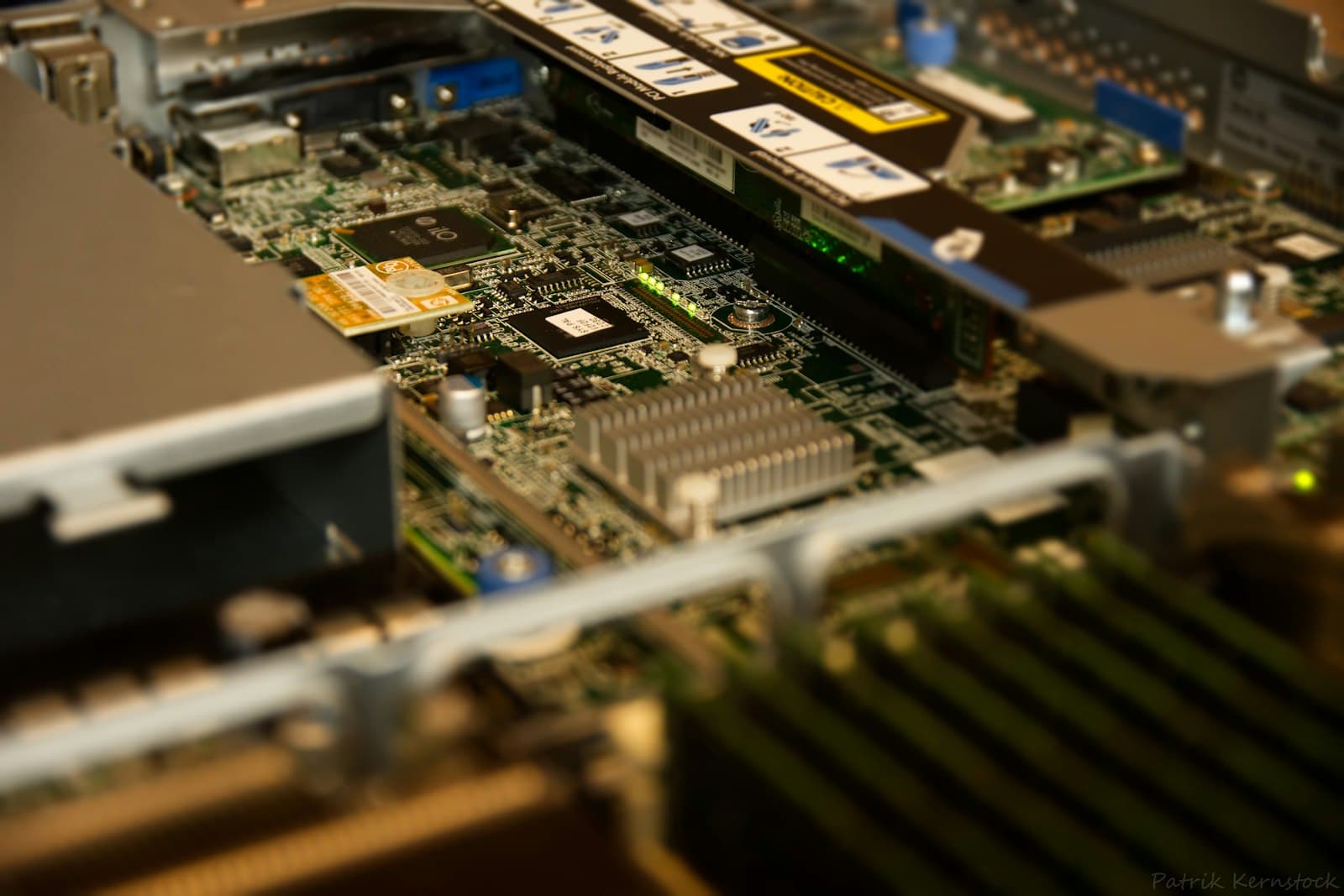
Dell vs HPE vs Lenovo vs Supermicro: How Do You Choose a Server?
At the same generation the hardware is close. Choose on management tooling, support model, configurability and fit with the servers you already run.
Buyers often frame this as a question of which vendor makes the better server. At any given generation, the honest answer is that the hardware is close. Dell PowerEdge, HPE ProLiant, Lenovo ThinkSystem and Supermicro systems use the same Intel Xeon and AMD EPYC processors, the same DDR5 memory and the same PCIe generations, and all four build dependable machines. What differs is how you manage them, how you get support, how much you can customize, and how well each fits the fleet and the team you already have. Those are the questions that should decide the purchase.
Dell or HPE servers: which is better?
Neither, in general. Base warranties are comparable: both the R760 and the DL380 ship with three years of next-business-day onsite cover. The two product lines also map closely onto each other, which makes a direct comparison straightforward:
- 1U dual-socket: the Dell PowerEdge R660 and the HPE ProLiant DL360. Both have 32 DDR5 DIMM slots and up to 8TB of memory. The R660 takes up to 10 front 2.5-inch drives plus 2 rear; the DL360 takes up to 8 SFF plus 2 optional, 4 LFF, or 20 EDSFF NVMe.
- 2U dual-socket Intel: the Dell PowerEdge R760 and the HPE ProLiant DL380. Both have 32 DDR5 DIMM slots. The R760 takes up to 24 front 2.5-inch or 12 front 3.5-inch drives plus up to 4 rear; the DL380 takes up to 30 SFF (24 front plus 6 rear) or 16 LFF (12 front plus 4 rear).
- 2U AMD EPYC: the HPE ProLiant DL385 supports 4th Gen EPYC 9004 (up to 128 cores) or 5th Gen EPYC 9005 (up to 160 cores), with up to 6TB across 24 DDR5 DIMM slots. Dell offers AMD-based PowerEdge models as well.
What do iDRAC, iLO, XClarity and IPMI actually change?
With hardware this close, the decision usually comes down to management tools, support experience and what your team already runs. The management controller is the part of the server your team touches most, and it is where the vendors genuinely differ:
- Dell iDRAC9 with OpenManage: out-of-band management, Lifecycle Controller for firmware updates and OS deployment, a Redfish API, and OpenManage Enterprise for fleet inventory and updates.
- HPE iLO with OneView: iLO for per-server out-of-band management, and OneView for server profiles, firmware baselines and fleet-wide lifecycle management.
- Lenovo XClarity Controller with XClarity Administrator: the same pattern of a per-server BMC plus a central management layer.
- Supermicro BMC with IPMI and Redfish: standards-based out-of-band control that plugs into open tooling, with Supermicro's own management software available for larger fleets.
If your team already scripts against one of these, or has built its firmware process around it, switching vendors carries a real operational cost. Redfish support across all four reduces that cost for automation, but consoles, alerting integrations and update tooling still differ. Running more than one vendor is workable; running them without a plan for firmware baselines and spares is where fleets get messy.
How do Lenovo ThinkSystem servers compare?
Lenovo ThinkSystem covers the same ground as PowerEdge and ProLiant: 1U and 2U dual-socket rack servers such as the SR630 and SR650 families, AMD EPYC models alongside the Intel ones, plus tower and GPU-dense options. Lenovo took over IBM's x86 server business, and its enterprise support organization reflects that background. For buyers who already run Lenovo, or who want a third tier-one option in a competitive bid, the platform is feature-comparable. Browse the current range on our Lenovo ThinkSystem servers page.
Is Supermicro good for enterprise?
Yes, with the right expectations. Supermicro servers run in enterprise data centers, cloud providers and AI clusters, and the company is known for broad configurability and for bringing new CPU and GPU platforms to market quickly. Its building-block approach offers more chassis, board and cooling combinations than the tier-one catalogs, which matters for GPU-dense, storage-dense and specialized builds. The difference is in the operating model. Tier-one vendors package hardware, management software and support into one highly standardized offer. With Supermicro you decide more yourself: the support contract and who delivers it, the firmware update process, and sometimes component choices the tier-one vendors make for you. Teams comfortable with standards-based management and a defined support plan get excellent results. Teams that want one vendor to own everything end to end may prefer a tier-one platform. Our comparison of OEM and whitebox server platforms goes deeper into that trade-off, and you can browse Supermicro rack servers directly.
Which vendor fits GPU and AI servers?
All four sell GPU platforms, and the same logic applies. The Dell PowerEdge R760xa takes up to four 400W double-width PCIe GPUs in 2U, and HPE's ProLiant DL380a Gen11 takes up to four double-wide NVIDIA L40S or H100 NVL. For eight-GPU HGX systems, Dell, HPE, Lenovo and Supermicro all build around the same NVIDIA baseboard, so the comparison again comes down to management, support, delivery and fit with your facility's power and cooling.
How do support and warranty differ between vendors?
Dell, HPE and Lenovo each sell tiered support against the serial number, from base next-business-day cover up to faster-response and proactive tiers, with multi-year terms chosen at order time. Supermicro offers its own service plans, and support is also commonly delivered through the integrator or reseller, so terms depend on the route you take. Whatever the vendor, confirm in writing the response time, whether parts arrive onsite or by advance replacement, the term, and how failed drives are handled if you have data-retention requirements. Our guide to warranty and support contracts walks through the options.
How do I choose a server vendor?
- Start with the estate you already run. Staying on one management platform is usually worth more than a small hardware difference.
- Write the configuration first (CPU family, memory, drive bays, NICs, GPUs), then ask each vendor to meet it.
- Test the management controller against your automation: Redfish scripts, monitoring integration and firmware update workflow.
- Compare support in writing, including response time, parts logistics and term length.
- Check lifecycle: how long the platform generation will be sold and supported.
- Get at least two quotes on the same configuration so the comparison is like for like.
Choose the management and support model first. At the same generation, the silicon inside is largely the same.
As a rule of thumb, choose Dell or HPE when you want a deeply standardized, single-vendor operating model and have an estate to match. Choose Lenovo when it fits your estate or procurement framework, or as a strong third option in a competitive process. Choose Supermicro when configurability or a specific GPU or storage design matters most and your team is set up to own more of the lifecycle. Nexus Compute supplies new Dell, HPE, Lenovo and Supermicro servers through authorized distribution, with the full manufacturer warranty, and checks compatibility against your environment before dispatch. Send us one configuration and we will quote it on two or more platforms, so you can compare like for like.
Frequently asked questions
Dell or HPE servers: which is better?
Neither is better across the board. Their 1U and 2U lines map closely (R660 and DL360, R760 and DL380), with the same processor generations, DDR5 memory and three-year onsite base warranties. Decide on management tooling (iDRAC or iLO), support experience and fit with the servers you already run.
Is Supermicro good for enterprise?
Yes. Supermicro is widely deployed in enterprise data centers and AI clusters and offers more configuration flexibility than the tier-one catalogs. Plan the support contract and firmware update process deliberately, because you make more of those choices yourself.
How do I choose a server vendor?
Start from your existing estate and management tooling, define the configuration you need, then compare vendors on management, support terms and lifecycle using like-for-like quotes. Nexus Compute can quote the same configuration across platforms if you request a quote.
What is the difference between iDRAC, iLO and XClarity?
They are the management controllers in Dell, HPE and Lenovo servers respectively, giving out-of-band access to power, remote console, hardware health and firmware. Each pairs with a fleet tool: OpenManage, OneView or XClarity Administrator. Supermicro uses a BMC with IPMI and Redfish, and Redfish is supported across all four for automation.
Can I mix server vendors in one data center?
Yes, and many organizations do. The cost is operational: separate consoles, firmware processes, spares and support contracts. Redfish helps standardize automation, but plan firmware baselines and spares per vendor from the start.
Systems covered in this article
Planning a hardware investment?
Tell us what you're trying to build. A procurement specialist will help you specify and quote the right configuration within 48 business hours, no obligation.