Enterprise Wireless for AI Campuses: Wi-Fi 7 and Edge AI Connectivity
Enterprise wireless networks for AI campuses must support both the dense wireless demands of AI research teams and the low-latency connectivity requirements of edge AI inference devices. Wi-Fi 7 fundamentally changes what is achievable at the wireless edge for enterprise AI infrastructure.
Enterprise AI campuses have wireless networking requirements that differ substantially from traditional corporate office deployments. AI researchers move large datasets between workstations and campus storage systems. Edge AI inference devices (vision systems, robotic platforms, point-of-care diagnostics) require sub-10-millisecond wireless latency. AI model update pipelines push gigabytes of updated model weights to distributed edge nodes. Wi-Fi 7 (IEEE 802.11be), now commercially available from Cisco, Aruba, Ruckus, and Ubiquiti, addresses these requirements with capabilities that previous wireless generations could not.
Wi-Fi 7 Capabilities Relevant to AI Workloads
Wi-Fi 7 introduces Multi-Link Operation (MLO), allowing devices to simultaneously transmit and receive across 2.4GHz, 5GHz, and 6GHz bands. This increases effective throughput and dramatically reduces latency variability, a critical property for edge AI applications where inference latency SLAs must be met consistently. The 6GHz band (Wi-Fi 6E and 7) provides 1,200MHz of clean spectrum with minimal legacy device interference, enabling the 320MHz channel width that supports Wi-Fi 7's maximum 46Gbps theoretical throughput. In real enterprise environments, 4x4 MIMO access points deliver 4–8Gbps per AP across simultaneously connected clients.
- Multi-Link Operation (MLO): simultaneous 2.4/5/6GHz reduces latency by 20–30% vs single-link
- 320MHz channels in 6GHz: doubles channel width vs Wi-Fi 6E's maximum 160MHz
- 4096-QAM modulation: 20% throughput improvement over Wi-Fi 6's 1024-QAM at close range
- Multi-RU puncturing: allows AP to skip occupied sub-channels, improving spectrum efficiency
- Target Wake Time (TWT): edge AI battery devices can schedule wake cycles for model update syncs
- Wi-Fi 7 minimum latency: 1–2ms achievable in clean 6GHz spectrum with MLO
Edge AI Device Connectivity Architecture
Edge AI devices (industrial cameras running vision models, mobile robots with onboard inference, medical imaging systems) have heterogeneous wireless requirements. Real-time inference devices need consistent sub-10ms latency; model update synchronization needs high throughput during maintenance windows; telemetry streaming needs moderate bandwidth with high reliability. A well-designed AI campus wireless architecture segments these device classes into separate SSIDs with differentiated QoS policies: platinum QoS for inference traffic, gold for telemetry, silver for model updates. Wi-Fi 7's MLO enables the AP to simultaneously serve latency-sensitive inference clients on 6GHz and high-throughput model update clients on 5GHz.
Backhaul and Wired Infrastructure Integration
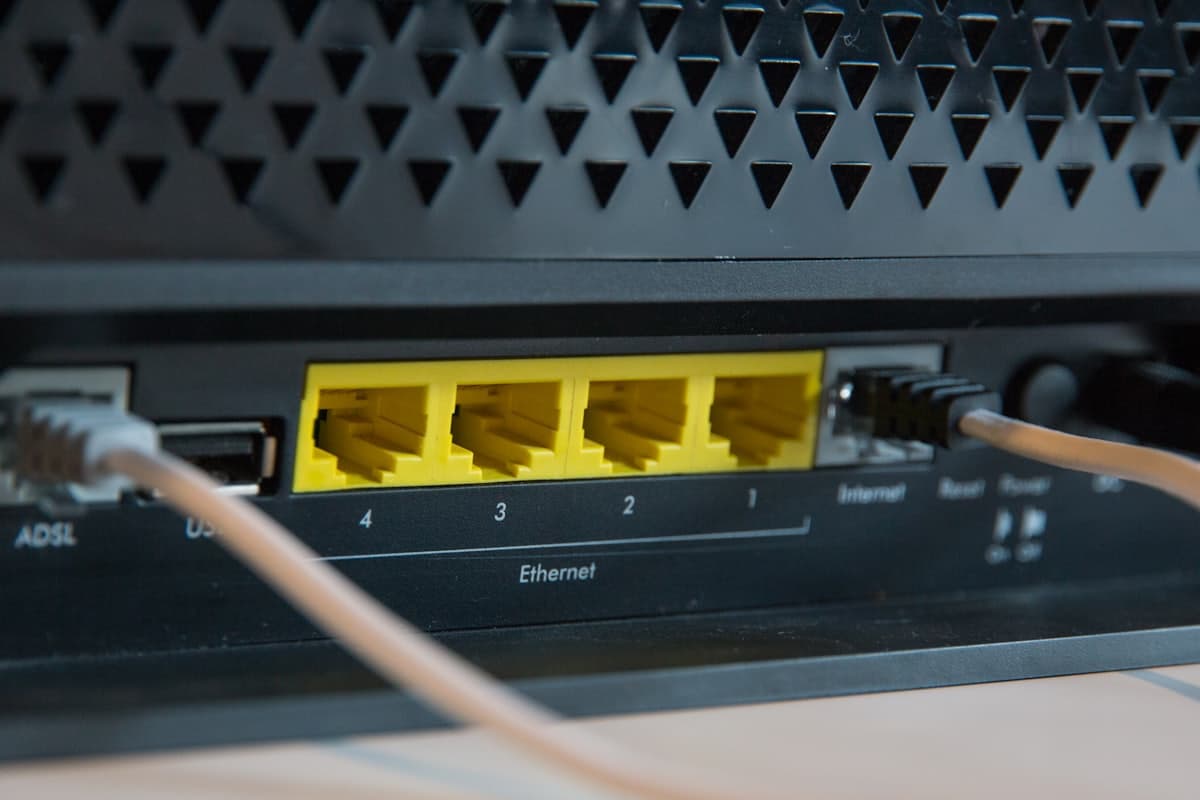
Wi-Fi 7 access points require 2.5GbE or 10GbE wired uplinks to avoid creating a wired bottleneck below the AP's wireless capacity. Campus deployments should plan for 10GbE AP uplinks at high-density locations (conference rooms, labs, large open offices) where multiple Wi-Fi 7 clients may simultaneously saturate 2.5GbE uplink capacity. Access switches serving AI campus APs should run 10GbE downlinks with 25GbE or 100GbE uplinks to distribution switches. The wired backhaul network must be dimensioned for peak wireless aggregate throughput, not average load. Wi-Fi 7 MLO enables clients to burst at rates that overwhelm undersized wired infrastructure.
Wi-Fi 7 MLO changes the wireless reliability equation. By maintaining simultaneous links on multiple bands, clients can continue transmitting on alternate bands while one band experiences temporary interference, which is critical for edge AI systems where wireless reliability directly impacts inference availability.
How Nexus Compute Helps
Nexus Compute designs enterprise wireless infrastructure for AI campuses alongside the server and compute infrastructure that edge AI devices connect to. We provide wireless site survey, AP selection, and backhaul design services integrated with GPU server and edge AI hardware procurement. Our configurations cover both the campus wireless plant and the on-premises AI inference infrastructure that edge devices communicate with. Contact us to discuss wireless and edge AI infrastructure for your organization.
Systems covered in this article
Planning a hardware investment?
Tell us what you're trying to build. A procurement specialist will help you specify and quote the right configuration within 48 business hours, no obligation.