
Data Center Sustainability and AI Infrastructure: PUE, Carbon, and Renewable Energy
The energy intensity of AI infrastructure is reshaping enterprise sustainability commitments. Understanding how GPU workloads affect PUE, carbon accounting, and renewable energy procurement is now essential for infrastructure teams reporting to sustainability-conscious boards and regulators.
A single rack of H100 GPU servers running at 70 kW consumes more electricity in a year than 20 average U.S. households. Scale that to a 1,000-GPU cluster and the energy consumption becomes a material line item on corporate sustainability reports, and an increasingly scrutinized one. Regulators in the EU and U.S. are moving toward mandatory disclosure of data center energy consumption, and institutional investors are asking pointed questions about the carbon footprint of AI infrastructure build-outs. Infrastructure teams that have treated energy as purely an operational cost are now being asked to speak the language of carbon, PUE, and renewable energy credibly and accurately.
PUE: what it means and what it does not tell you
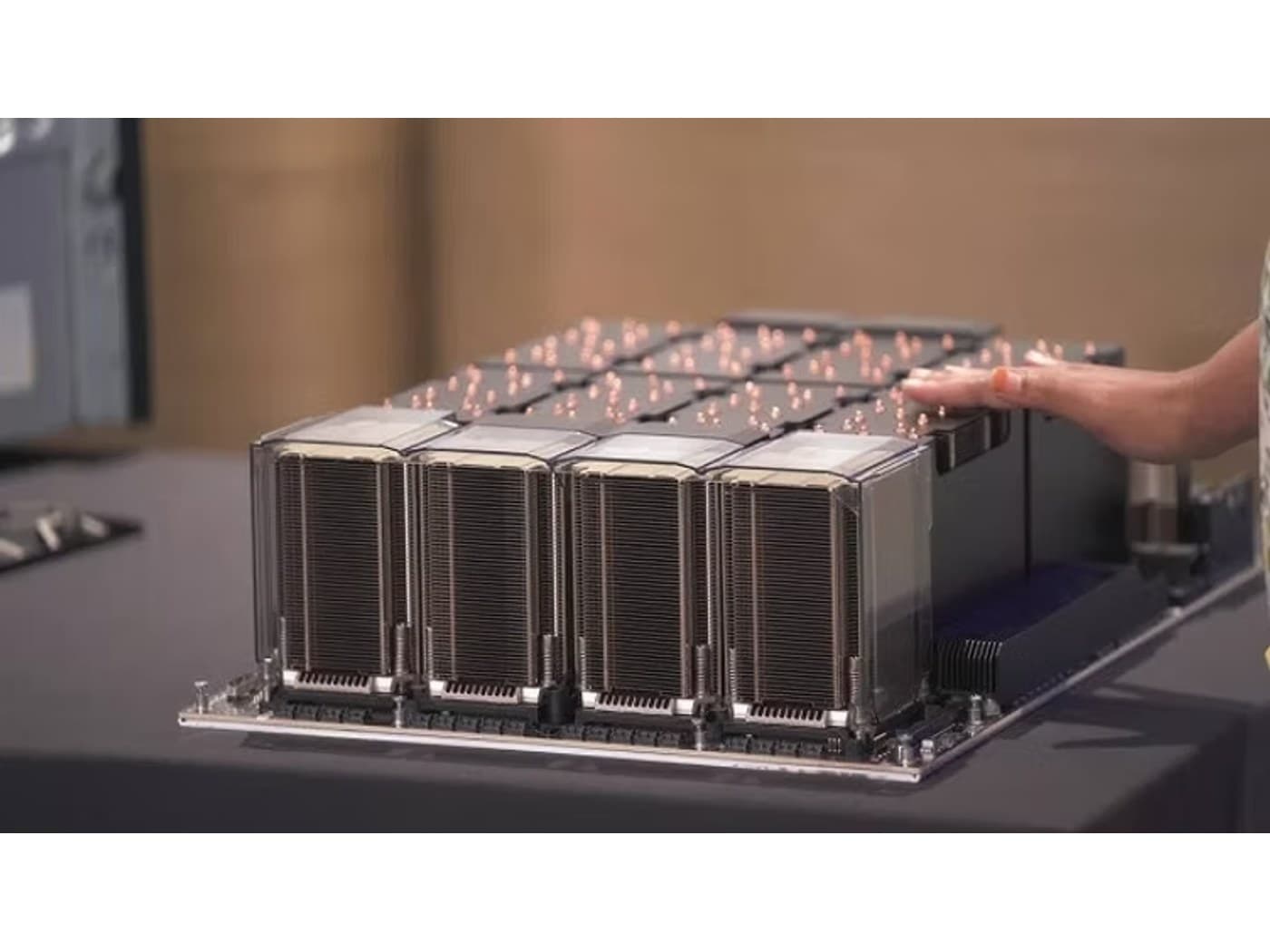
Power Usage Effectiveness (PUE) measures how efficiently a data center delivers power to IT equipment: a PUE of 1.2 means that for every 1W consumed by servers, an additional 0.2W is consumed by cooling, lighting, and power distribution overhead. Industry-average PUE for enterprise data centers is around 1.5–1.6; hyperscale facilities achieve 1.1–1.2 through purpose-built infrastructure. For AI infrastructure, the shift to liquid cooling is the single most impactful PUE lever, since well-designed DLC systems can achieve PUE below 1.1, eliminating most of the overhead that conventional air-cooled facilities carry. However, PUE improvement that is achieved by increasing server load without increasing cooling overhead can be misleading, because a very inefficient facility can appear to improve PUE simply by adding more servers.
Carbon accounting for AI workloads
Carbon intensity of AI infrastructure depends on three factors: total energy consumption, the carbon intensity of the grid supplying that electricity, and the effectiveness of renewable energy procurement. Training a frontier model in a region with a coal-heavy grid generates dramatically more emissions than the same computation in a hydroelectric-powered region, even with identical hardware and PUE. The GHG Protocol's market-based accounting methodology allows enterprises to offset grid carbon intensity with Renewable Energy Certificates (RECs) or Power Purchase Agreements (PPAs). However, the quality and additionality of these instruments varies significantly, and sustainability teams are increasingly required to defend their accounting methodology to both regulators and external auditors.
- Scope 2 emissions from AI compute can represent 20–40% of total enterprise Scope 2 in AI-intensive organizations
- Annualized carbon from a 1,000-GPU H100 cluster ranges from 3,000 to 15,000 metric tons CO2e depending on grid carbon intensity
- 24/7 carbon-free energy (CFE) matching is the emerging gold standard, replacing annual REC retirement
- Liquid cooling enabling free cooling in temperate climates can reduce mechanical cooling energy by 40–60%
- Workload scheduling to prefer low-carbon grid periods (carbon-aware computing) can reduce AI compute carbon by 15–30%
- On-premises infrastructure enables precise energy measurement; cloud carbon accounting depends on provider disclosure quality
Renewable energy procurement for AI-scale loads
Enterprises operating large on-premises AI clusters have a procurement challenge and an opportunity. The challenge is that adding a large, relatively inflexible electrical load creates new demand on local utility infrastructure that must be planned well in advance. The opportunity is that this scale of predictable load makes direct Power Purchase Agreements economically viable: enterprises can contract directly with wind or solar generators at fixed rates that are often below retail grid prices, locking in both cost certainty and genuine renewable supply. PPAs of this type typically require 10–15 year terms and credit-quality counterparties, but for enterprises with multi-decade infrastructure horizons, they are increasingly attractive.
The organizations that will navigate AI sustainability best are the ones that build energy and carbon into the infrastructure design process, not the ones that bolt a carbon offset program onto infrastructure decisions that have already been made.
How Nexus Compute helps
Nexus Compute designs AI infrastructure configurations with energy efficiency as a first-class design requirement: specifying liquid cooling systems, high-efficiency power distribution, and server configurations that minimize energy waste per useful compute unit. We help customers model the energy and carbon footprint of proposed infrastructure buildouts and connect them with facility and energy partners that support renewable procurement at AI-scale loads.
Systems covered in this article
Planning a hardware investment?
Tell us what you're trying to build. A procurement specialist will help you specify and quote the right configuration within 48 business hours, no obligation.