
Budgeting for AI Infrastructure: CapEx vs OpEx Trade-offs
The decision to purchase AI infrastructure outright versus consuming it as a service shapes your financial model for years. A clear analysis of CapEx versus OpEx trade-offs for GPU infrastructure helps finance and IT teams align on the right approach for your organization's scale and growth trajectory.
The CapEx versus OpEx question for AI infrastructure is not purely a financial one: it involves your organization's risk tolerance, growth predictability, data security requirements, and long-term competitive strategy. Getting this decision wrong in either direction is expensive: buying hardware you end up underutilizing destroys capital efficiency, while paying cloud GPU rates for workloads that should run on owned infrastructure can cost three to five times as much over a three-year horizon.
The Case for CapEx: On-Premise GPU Infrastructure
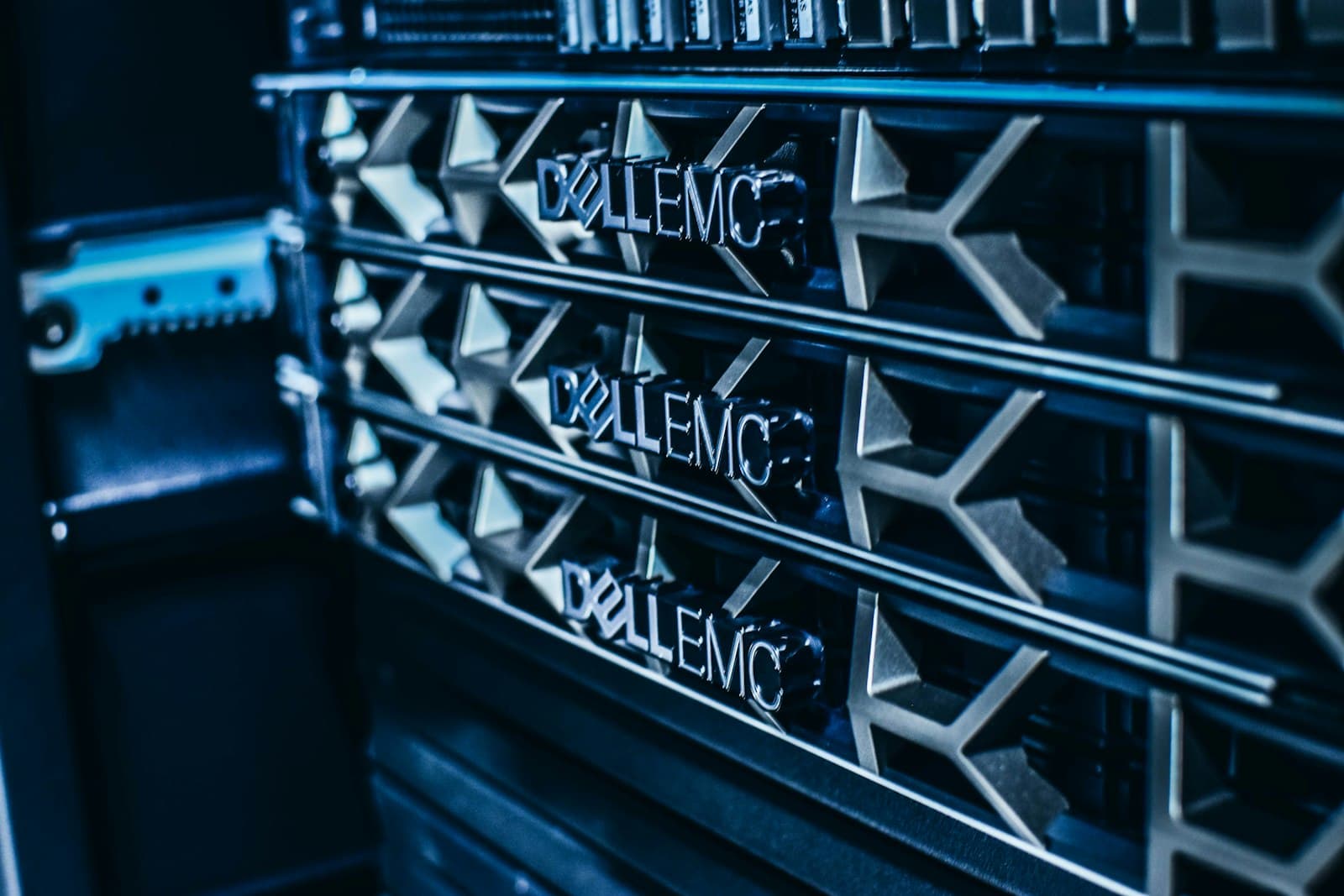
Owned GPU infrastructure typically delivers the best unit economics when your team can maintain utilization above 60–70% consistently. At that utilization rate, the three-year TCO of an on-premise H100 cluster is typically 40–60% less than equivalent cloud GPU instances. Owned hardware also provides predictable cost that does not scale with usage spikes, data gravity advantages for large proprietary datasets, and full control over software environment and security posture. Organizations with stable, predictable AI workloads and the engineering capacity to operate the infrastructure are strong CapEx candidates.
- Best for: organizations with consistent GPU utilization above 60%
- Best for: workloads with strict data residency or air-gap security requirements
- Best for: teams with mature ML infrastructure engineering capabilities
- Best for: organizations with established hardware procurement and asset management processes
The Case for OpEx: Cloud and As-a-Service Models
Cloud GPU consumption makes strong economic sense for bursty, unpredictable workloads: model training experiments that may run for a few weeks and then stop, or inference loads that spike seasonally. It also reduces the operational burden on engineering teams and eliminates lead time risk entirely. The trade-off is cost: cloud GPU on-demand rates for H100 instances run $25–35 per GPU hour from major providers, which translates to enormous costs for sustained training workloads. Reserved instance pricing improves this but requires one to three year commitments that start to resemble a CapEx decision anyway.
Hybrid Approaches
- Base load on owned infrastructure, burst to cloud for peak training runs
- Use cloud for model development and experimentation; own production inference capacity
- Finance owned hardware through operating leases to achieve OpEx accounting treatment while retaining the economics of ownership
- Staged CapEx: buy smaller initial cluster, expand based on measured utilization rather than forecast
The right answer is almost never pure cloud or pure owned hardware. The right answer is a model that matches your capital structure to your workload profile.
How Nexus Compute Helps
Nexus Compute works with enterprise finance and IT teams to model both CapEx purchase scenarios and operating lease options for GPU infrastructure. We can structure purchase agreements that support your preferred accounting treatment and align payment timing to your budget cycle. For organizations evaluating a hybrid approach, we help scope the on-premise baseline while identifying which workloads are better suited for cloud burst. Contact our enterprise team for a budgeting consultation.
Systems covered in this article
Planning a hardware investment?
Tell us what you're trying to build. A procurement specialist will help you specify and quote the right configuration within 48 business hours, no obligation.